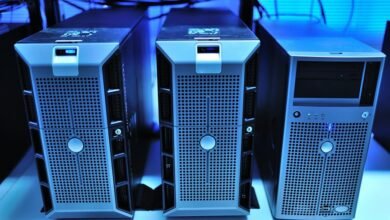
Think of the Telecommunication Performance Control Unit (TPCU) as the nervous system of your network, coordinating vital signals for optimal performance. The models identified—4048061843, 4177615000, 9078024570, 2107829213, 8172594010, and 4043831378—bring advanced metrics and data analysis to the forefront. Understanding their capabilities is crucial for enhancing network efficiency. However, what specific advantages do these units provide in addressing contemporary challenges?
Overview of Telecommunication Performance Control Units
Telecommunication Performance Control Units (TPCUs) play a critical role in managing and optimizing network performance.
By leveraging advanced telecommunication metrics, TPCUs facilitate effective performance monitoring, ensuring that network resources are utilized efficiently.
They enable you to identify bottlenecks, assess service quality, and make informed decisions, ultimately empowering you to enhance user experience and maintain operational freedom within your telecommunication infrastructure.
Key Features of the Identified Models
The effectiveness of TPCUs is largely determined by their key features, which vary across different models.
You’ll notice that advanced performance metrics and robust data analysis capabilities are common traits. These features enhance real-time monitoring, enabling you to assess network efficiency effectively.
Additionally, customizable thresholds and alerts allow for proactive management, ensuring optimal performance and facilitating informed decision-making in telecommunication environments.
Benefits of Implementing Performance Control Units
Implementing Performance Control Units (TPCUs) can significantly enhance your network’s operational efficiency, as they provide real-time insights into performance metrics and anomalies.
By leveraging TPCUs, you’ll achieve cost reduction through optimized resource allocation and improved service reliability, ensuring consistent performance.
This proactive approach allows you to identify issues before they escalate, ultimately fostering a more resilient and efficient telecommunications environment.
Enhancing Network Efficiency With Control Units
Control Units play a pivotal role in optimizing network efficiency by providing systematic monitoring and analysis of performance metrics.
By leveraging real-time data, you can identify bottlenecks and streamline operations, leading to significant network optimization.
These units enable proactive adjustments, enhancing throughput and reducing latency, ultimately granting you greater control over your network’s performance and ensuring a seamless user experience.
Conclusion
In summary, implementing the Telecommunication Performance Control Units you’ve explored can truly make a world of difference in network management. By leveraging their advanced capabilities, you can tackle inefficiencies head-on, ensuring that your telecommunications infrastructure runs like a well-oiled machine. Don’t let bottlenecks hold you back; investing in these units means stepping up your game and delivering a seamless user experience. With the right tools at your disposal, you’re well on your way to optimizing performance and enhancing operational effectiveness.